AVAYA GOVERNMENT CLOUD™
Secure cloud communications for government operations
Avaya Government Cloud gives public sector agencies a secure, dedicated environment for unified communications, contact center modernization, emergency response, and citizen engagement.
What is Avaya Government Cloud
Avaya Government Cloud is a secure government cloud environment for unified communications, contact center operations, emergency response, and citizen engagement.
With Avaya Government Cloud, agencies can:
- Choose mission-ready unified communications and contact center packages.
- Select and combine capabilities based on agency needs, modernization goals, and security requirements.
- FedRAMP Certified, Class C (Moderate), Rev. 5, and IL4 High requirements.
- Modernize across cloud, hybrid, and on-premises environments while preserving compatible existing infrastructure.
For details on compliance, deployment, emergency response, and procurement,
check out our FAQs.
Looking for official authorization details?
Protect mission continuity
Avaya Government Cloud helps agencies meet rigorous security requirements by delivering FedRAMP-compliant collaboration and customer service solutions.
7.4M +
UC seats supported
350 K
contact center seats supported
80 +
agencies
4,000 +
sites
Government agencies need a more connected path to communications modernization
Government agencies are being asked to modernize faster while protecting sensitive data, supporting hybrid work, preserving essential systems, and keeping critical communications available when they are needed most.
That reality makes a one-size-fits-all cloud model difficult for many public-sector environments. Agencies need a secure path forward that can support modern citizen service and mission operations while respecting compliance requirements, funding cycles, procurement realities, and existing infrastructure.
Avaya Government Cloud brings secure unified communications, contact center capabilities, emergency communications, and modernization services into a government-ready cloud foundation designed for control, continuity, and operational confidence.
Security and compliance
For teams validating FedRAMP Certified, Class C (Moderate), Rev. 5, IL4 High, CUI-level communications, NIPRnet, CMMC, and U.S. citizen support.
Modernization paths
For agencies planning cloud, hybrid, or on-premises modernization while keeping compatible systems, endpoints, gateways, workplace clients, and integrations in place.
Mission continuity
For operations where resilient communications, NG911, geo-redundancy, local survivability, and distributed teams are imperative.
Citizen and agency experience
For public-sector contact centers, modernizing voice, self-service, analytics, and agent assistance.
HOW AVAYA GOVERNMENT CLOUD WORKS
Mission-ready capabilities across a
secure architecture
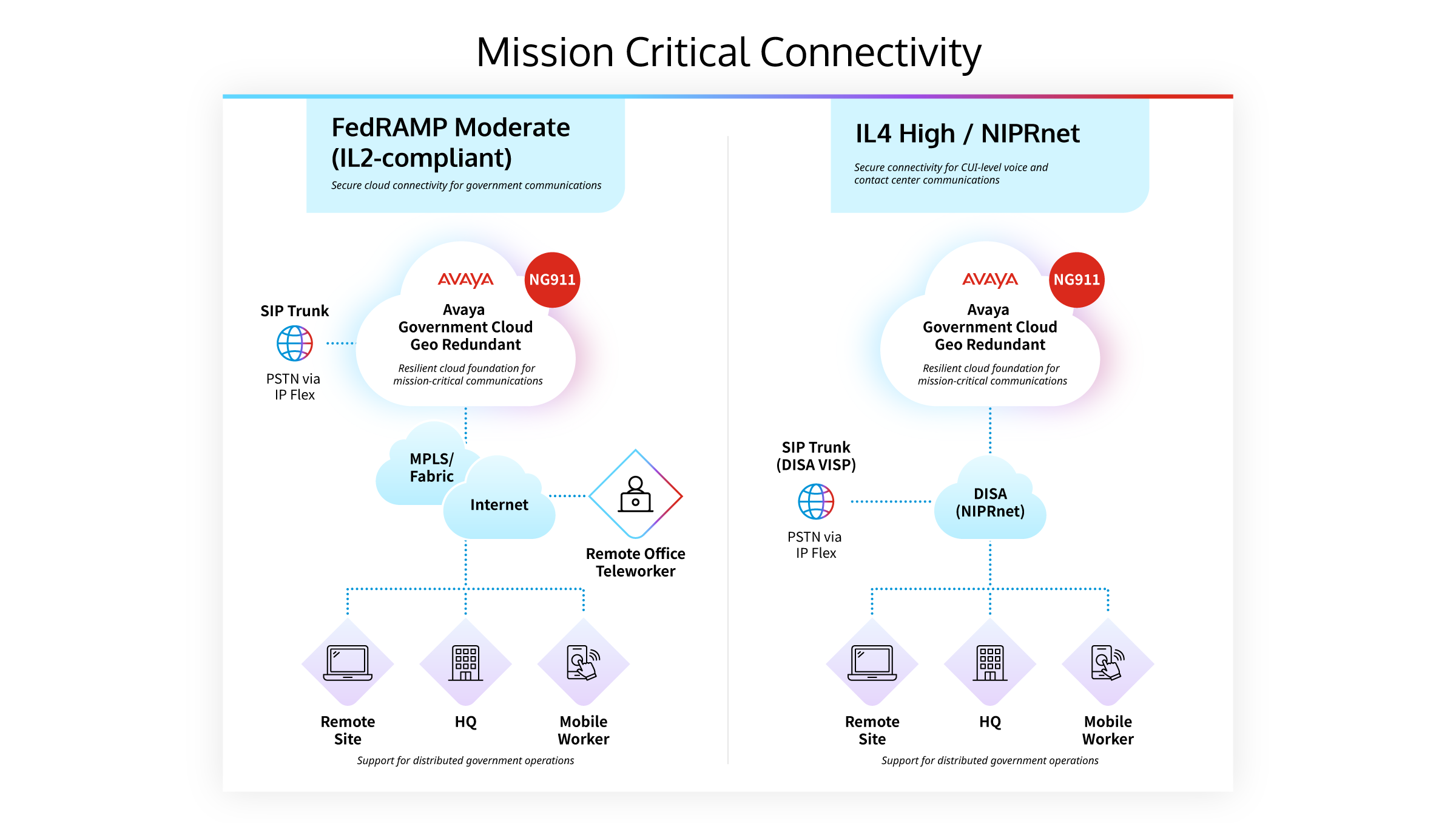
Avaya Government Cloud helps agencies align communications workloads to the right security, connectivity, and deployment model. Agencies can support FedRAMP Certified, Class C (Moderate), Rev. 5 and IL4 High environments while maintaining resilient access across headquarters, remote sites, field locations, mobile workers, and contact center operations.
Path to Modernization
Higher-level security built for government communications
Government communications carry a different level of responsibility.
Agencies need to protect sensitive data, maintain operational continuity, support emergency response, and meet strict public sector security requirements without slowing modernization.
Avaya Government Cloud is built for secure unified communications and contact center operations in government environments.
- FedRAMP Certified, Class C (Moderate), Rev. 5
- IL4 H Provisional Authorization
- CUI-level voice and contact center communications
- Connectivity through DISA BCAP and NIPRnet for DoW missions
- CMMC Level 2
- U.S. citizen-staffed support team
- Zero-trust approach
The path to modernization without losing what already works
Government agencies rarely start from a blank slate. Avaya Government Cloud utilizes Avaya Aura®, Avaya Call Center Elite, gateways, desk phones, secure terminals, workplace clients, and site-level infrastructure that support essential operations every day, familiar to many customers today.
Avaya Government Cloud gives agencies a practical way to modernize their environment in phases. Agencies can choose cloud, hybrid, or on-premises paths while continuing to support compatible systems, endpoints, and workflows already in place.

Modernize the core
Support familiar Avaya Aura and Avaya Call Center Elite environments while creating a path to secure cloud and hybrid modernization.

Keep critical endpoints in service
Continue using compatible analog phones, Avaya digital phones, SIP phones, secure terminals, vIPer, TSG-compliant devices, Avaya Workplace Client, and Microsoft Teams integrations.

Support distributed operations
Connect headquarters, remote offices, field locations, mobile workers, and contact center teams through a secure architecture designed for government operations.

Build resilience into the transition
Use geo-redundant infrastructure, local survivability, secure connectivity, and emergency communication capabilities to help maintain continuity during modernization.
Modernizing government communications infrastructure without starting over
Learn how to modernize in phases while protecting existing systems, mission continuity, security requirements, and procurement timelines.
Resiliency for public sector communications that cannot fail
Government communications are tested when conditions change quickly. A citizen calls during an emergency. A field team needs to coordinate across locations. A contact center faces a sudden surge. A remote site has to stay connected. In those moments, communications reliability is tied to mission readiness, public safety, citizen trust, and continuity of operations.
Avaya Government Cloud helps agencies support those moments with secure unified communications and contact center capabilities, geo-redundant infrastructure, local survivability, emergency response integrations, and endpoint flexibility for distributed government environments.
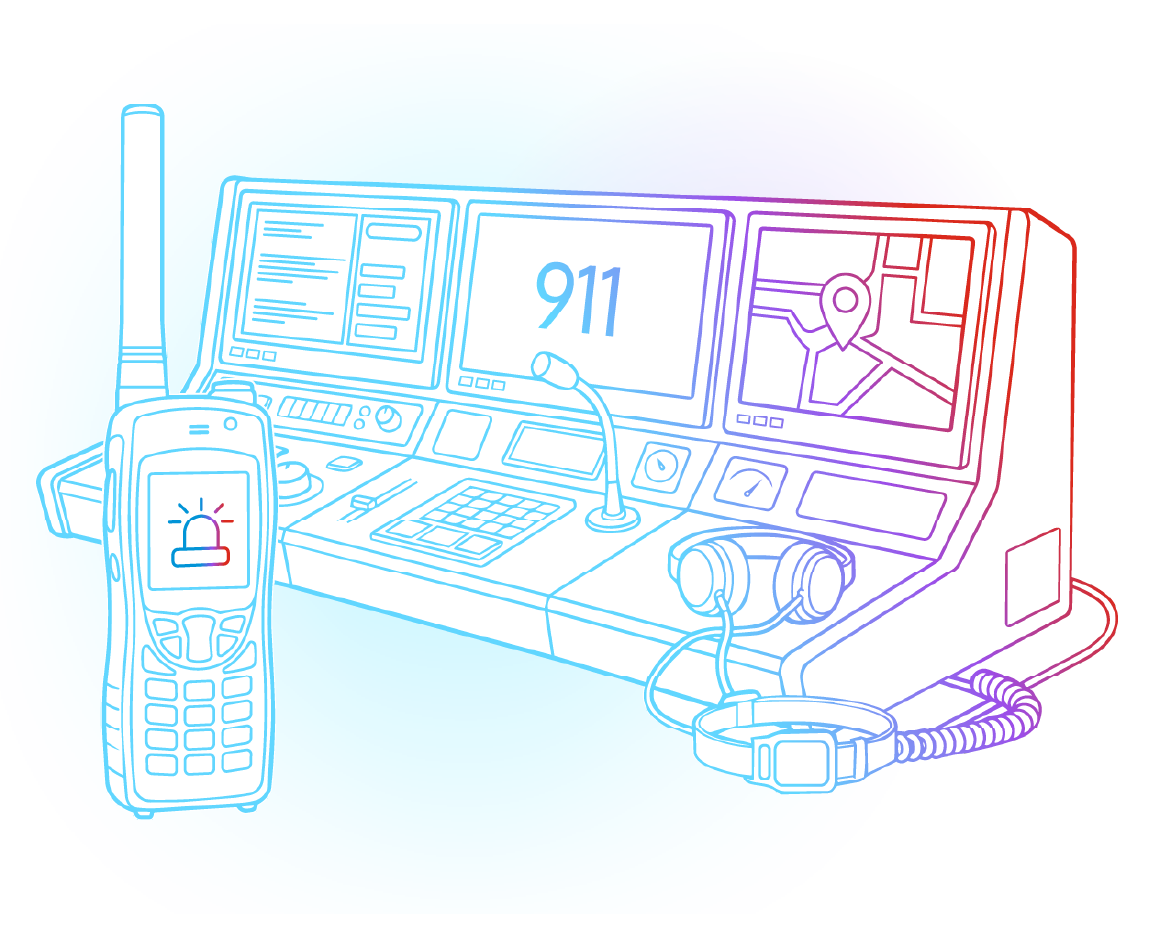
With NG911 integration, supported Avaya Government Cloud endpoints can help provide first responders with real-time location data and situational awareness when a 911 call is made.

Real-time location and situational awareness
Help first responders receive location data and critical context when a 911 call is placed from a supported endpoint.
Surge and continuity support
Help agencies maintain communications during weather events, service disruptions, public safety incidents, and high-volume citizen service moments.

Specialized environments
Support the communications options different missions require, from modern SIP phones and Avaya Workplace Client to vIPer, TSG-compliant devices, and Microsoft Teams integrations.
PLANNING AND PROCUREMENT
A proven path from planning to steady-state operations
Government cloud modernization requires more than a technical migration. Agencies need a practical plan for architecture, budget, procurement, transition, governance, and operations.
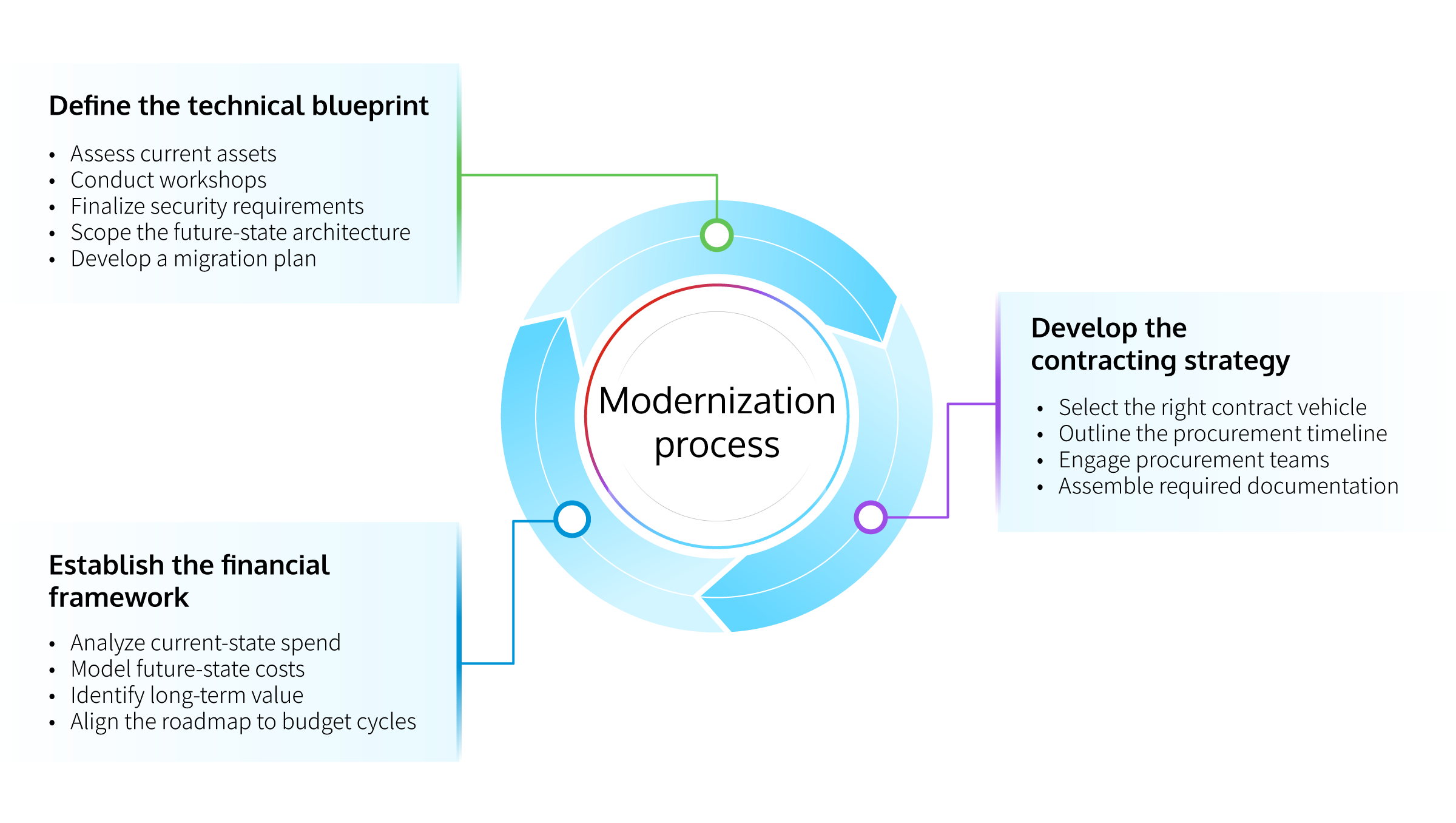
Avaya supports agencies through an ongoing modernization process that helps align technical requirements, financial planning, and acquisition strategy.
Procurement Information
Avaya supports cloud adoption through authorized procurement paths, including GSA Multiple Award Schedule and prime-led vehicles such as 2GIT BPA, DLA/ITES, NASA SEWP V/VI, and GSA Enterprise Infrastructure Solutions.
Avaya also offers a single transition contract with zero contract overlap.
This is designed to support cloud, on-premises subscription, and maintenance needs under one coordinated path. This approach helps agencies simplify acquisition, avoid dual-contract costs, reduce redundant resources, and manage the financial impact of modernization as requirements evolve.
Flexible pay-per-use model options can help agencies scale services based on changing mission needs while improving cost predictability over time.
Built for the way public sector operates
Avaya Government Cloud is the secure product foundation. Explore how it supports public sector missions, agencies, and buying paths.
- Department of War
- Federal Civilian
- State, Local, and Education
- Intelligence Community
- Public Safety
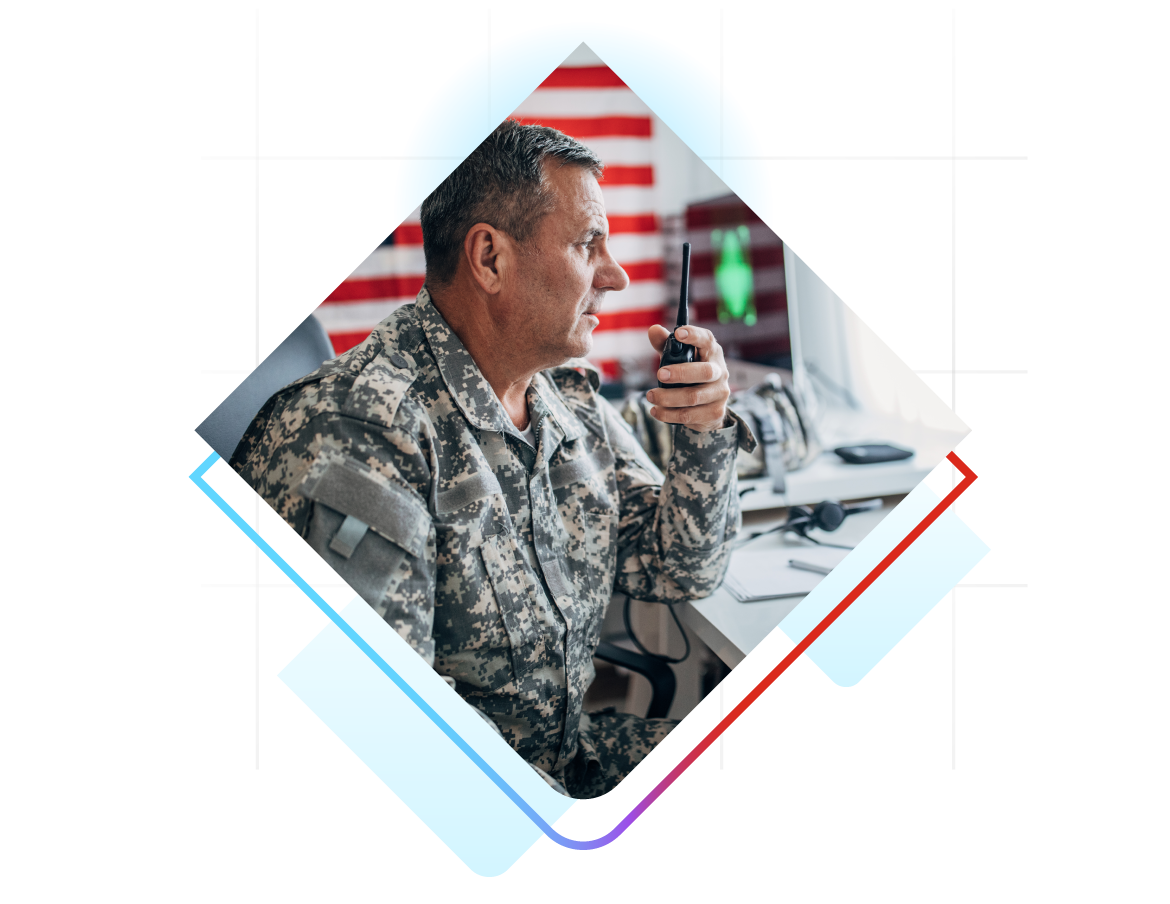
Department of War
Department of War missions depend on communications that can support secure coordination across bases, commands, contact centers, remote users, and mission partners without disrupting existing operations.
- Support IL4 High requirements for CUI-level voice and contact center communications.
- Connect headquarters, bases, remote sites, mobile users, and contact center teams through secure UC and CC capabilities.
- Support NIPRnet-connected environments, DISA-aligned requirements, and mission continuity planning.
- Modernize from existing Avaya Aura, Call Center Elite, gateways, endpoints, and hybrid infrastructure without forcing a full rebuild.
Federal Civilian
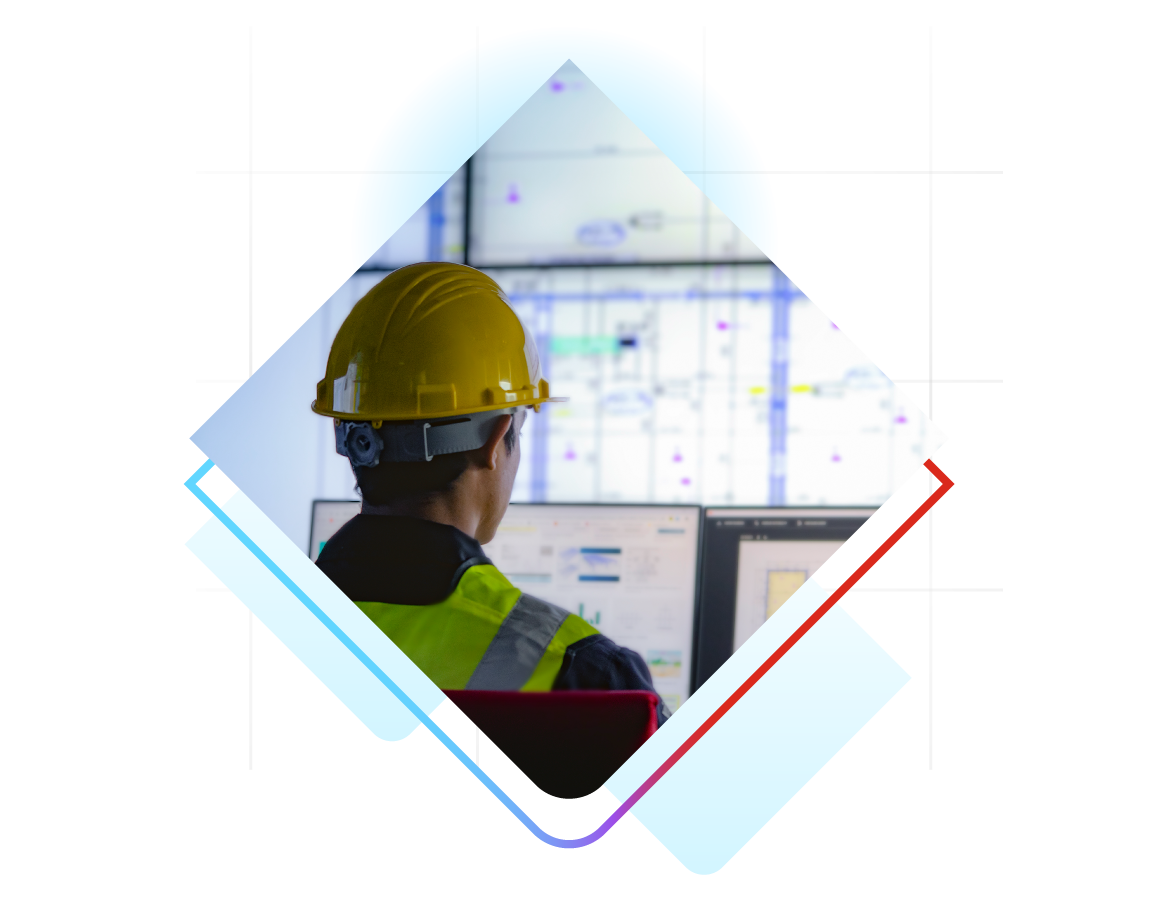
Federal civilian agencies need to improve public service delivery while managing high inquiry volumes, distributed offices, security requirements, and citizen experience expectations.
- Support FedRAMP Class C (Moderate) cloud communications for federal unified communications (UC) and contact center (CC) modernization.
- Improve citizen service for benefits, claims, appointments, case status, public information lines, and agency help desks.
- Connect headquarters, regional offices, field locations, remote workers, and service teams through secure cloud and hybrid communications.
State, Local, and Education
State and local agencies, including education, need practical modernization paths that support public services, campus operations, community outreach, and emergency communication without replacing everything at once.
- Support SLED communications modernization for municipalities, counties, school districts, higher education, and public agencies.
- Manage high-volume communications from residents, students, parents, staff, field teams, and community partners.
- Support weather alerts, school safety events, service outages, public works updates, transportation disruptions, and emergency outreach.
- Preserve existing phones, gateways, contact center investments, and site-level infrastructure while adding cloud-based capabilities.

Intelligence Community
Intelligence-focused agencies need resilient communications that support controlled operations and distributed teams, with strict security and continuity requirements.
- Help connect analysts, operations centers, mission teams, field offices, and approved remote users through resilient communications.
- Support controlled access, operational continuity, and infrastructure requirements across complex environments.
- Enable phased modernization where reliability, confidentiality, governance, and mission control are critical.
Public Safety
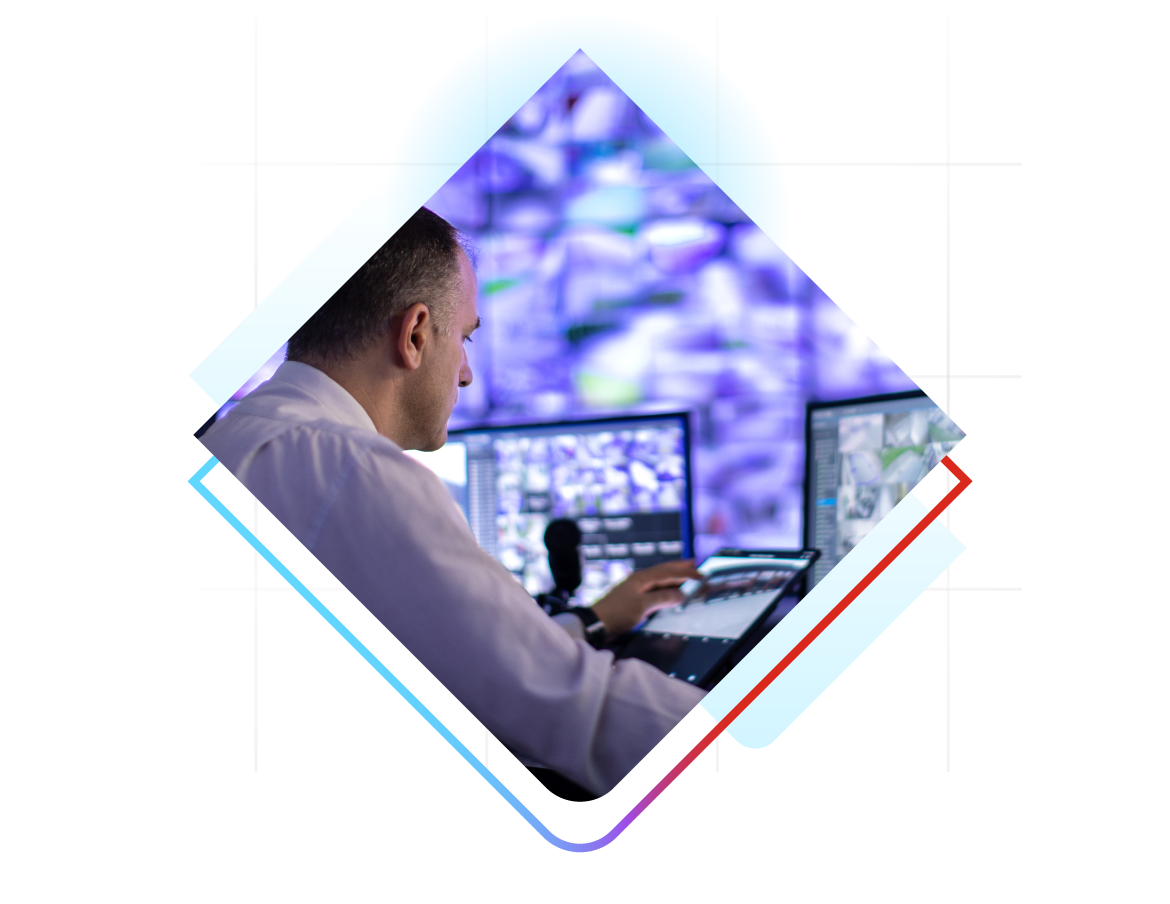
Public safety agencies need communications that work during emergencies, surge events, and fast-moving incidents where response time and location awareness matter.
- Support emergency communications across command centers, public safety teams, field operations, emergency management, and agency coordination.
- Integrate with emergency calling and situational awareness capabilities such as NG911.
- Help agencies maintain continuity during severe weather, outages, evacuations, major events, and public safety incidents.
- Support reliable voice and collaboration opportunities for teams that need to coordinate quickly across jurisdictions and locations.

Frequently asked questions about Avaya Government Cloud
What is Avaya Government Cloud?
Avaya Government Cloud is a secure cloud communications environment for public-sector agencies that need unified communications, contact center capabilities, emergency response support, and citizen engagement within a government-ready architecture.
Who is Avaya Government Cloud built for?
Avaya Government Cloud is built for federal, Department of War, state, local, public safety, education, and other public-sector organizations that need secure, reliable, and flexible communications modernization.
Does Avaya Government Cloud support both unified communications and contact center?
Yes. Avaya Government Cloud supports secure unified communications (UC) and contact center (CC) capabilities for government agencies, including voice, contact center operations, emergency response, and citizen engagement.
What makes a contact center solution suitable for the public sector?
A public-sector contact center solution needs to support security, compliance, accessibility, continuity, scalability, legacy integration, emergency response needs, and citizen service across channels. Avaya Government Cloud supports those requirements through secure UC and CC modernization, flexible deployment, and government-focused service management.
Is Avaya Government Cloud FedRAMP authorized?
Avaya Government Cloud is FedRAMP Certified, Class C (Moderate), Rev. 5 authorized. The platform also supports additional public-sector security and compliance needs, including IL4 High Provisional Authorization for CUI-level voice and contact center communications.
What does IL4 High mean for Avaya Government Cloud?
Impact Level 4 (IL4) is a Department of War cloud security level for workloads involving Controlled Unclassified Information, or CUI. The Cloud Security Playbook Volume 1 identifies Impact Level 4 as Controlled Unclassified Information. Avaya Government Cloud has IL4 High Provisional Authorization for CUI-level voice and contact center communications, with secure connectivity through BCAP and NIPRnet.
Can agencies keep existing Avaya investments?
Yes. Avaya Government Cloud supports modernization paths that can reuse compatible Avaya infrastructure, including Avaya Aura, Avaya Call Center Elite, G450/G430 gateways, analog phones, digital phones, SIP endpoints, Avaya Workplace, vIPer, and Microsoft Teams integrations.
Does Avaya Government Cloud support hybrid and on-premises environments?
Yes. Avaya Government Cloud supports cloud, hybrid, and on-premises modernization paths so agencies can align deployment to mission requirements, security needs, funding cycles, and operational readiness.
How does Avaya Government Cloud support emergency response?
Avaya Government Cloud supports NG911 capabilities. With NG911 integration, supported Avaya Government Cloud endpoints can help provide first responders with real-time location data and situational awareness when a 911 call is made.
How does Avaya Government Cloud support mission continuity?
Avaya Government Cloud supports mission continuity through secure unified communications and contact center capabilities, geo-redundant infrastructure, local survivability, high-availability operations, proactive monitoring, service governance, and emergency communications support.
What purchasing paths are available?
Avaya supports government acquisition through direct and prime-led paths, including GSA Multiple Award Schedule and vehicles such as 2GIT BPA, DLA/ITES, NASA SEWP V/VI, and GSA Enterprise Infrastructure Solutions. Additionally, Avaya’s single transition contract with zero contract overlap approach is designed to support cloud, on-premises subscription, and maintenance needs under one coordinated path. This approach helps agencies simplify acquisition, avoid dual-contract costs, reduce redundant resources, and manage the financial impact of modernization as requirements evolve.
How can my agency start planning a migration?
Avaya helps agencies begin with a modernization assessment that defines the technical blueprint, financial framework, and contracting strategy. This helps align the migration plan to current assets, security requirements, budget cycles, procurement needs, and future-state architecture.
Can IT teams reduce operational burden with Avaya Government Cloud?
Yes. Avaya Government Cloud helps reduce operational burden by supporting controlled release management, service level governance, proactive monitoring, dedicated service management, service desk support, and lifecycle processes for incident, problem, escalation, governance, and change management. This gives agencies a more structured operating model for secure communications modernization.
Resources
Learn more about modernizing government communications
Connect with a government cloud expert
Discover a secure government cloud that supports mission continuity and citizen engagement
Talk with an Avaya Government Cloud expert